what to bring in hot and cold weather
When traveling in warm weather, shield yourself from the sun with breathable and moisture-wicking fabrics. Consider a summer-weight shoe and don’t forget you sunglasses.
No one wants to miss the warm weather holidays, we just have to adapt the packing list to make the hot weather bearable.
Below we will show you what can be packed to avoid or withstand the heat.
The Right Fabrics for Warm Weather Travel

Thankfully, performance fabrics and high-quality wools are now readily available and often stylish.
To keep cool, look for lightweight wools and moisture-wicking performance fabrics.
Icebreaker’s Featherweight or Ultralight lines are 90-100% wool but extremely lightweight. will keep you cool in the heat and can be worn as base layers in warmer temperatures.
Summer Shoes for Warm Weather Travel
Summer Shoes for Warm Weather Travel
In summer, you have to walk the fine line between weight and comfort. Heavily padded sneakers are comfortable but will leave your feet and socks soaked in sweat.
The lightest option is a pair of flip flops. If you’re in an underdeveloped country with tropical weather, everyone will be wearing flip flops. You’ll fit right in.
If you don’t want to show off your feet, choose a shoe with more coverage. Sandals, boat shoes, and espadrilles are all good options.
If blisters are a concern in your shoes, grab a pair of short socks to protect your feet without looking like the dorky tourist in sandals and high socks.

Sunglasses for Warm Weather Travel
Some beautiful sunglasses, will help you protect your eyes from direct and annoying sunlight, you can also combine them with your outfit. You can find them in different colors and shapes, choose your favorites to use on your warm vacation

One Last Thing
Drinking water is good for you, especially when you’re in hot climates where you’ll be sweating out everything you drink.
You can buy bottles as you travel. Refilling them is less wasteful than continually buying (and throwing away) plastic bottles.
To be even more environmentally friendly, bring your own water bottle.
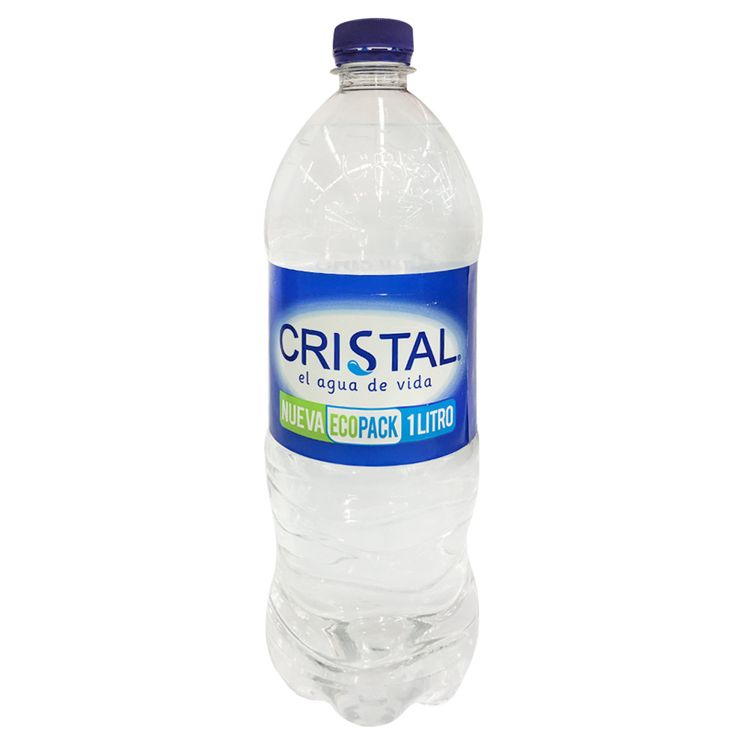
Some people love the Cristal water bottle, which allows you to filter any water source and make it drinkable in seconds.
Cold Weather
If you want to know what you can wear in cold weather, you should know which materials are the best.

you know the importance of packing the right clothes and gear for the trip based on climate. When it comes to apparel, there are certain materials which are better suited to your winter travels than others. it is important to remember that effective cold weather wear is all about layering. It is also about combining those layers in a way that keeps you dry from moisture since moisture can quickly leave you vulnerable to the cold temperature.
Here are the top choices for cold weather materials to consider for your next adventure.
1. Wool
This material is known for being super absorbent against moisture and sweat which helps to keep you dry. It is also great for insulating body heat.
2. Polyester
This material is great for insulation and protecting you from wind while also being lightweight, so you won’t feel like you are carrying extra weight.
3. Nylon
This material is well suited as an outer layer because it is resistant to wind and water. It is more commonly seen as ponchos but there are other options on the market with this material as well.
4. Polypropylene
When looking for something lightweight and waterproof without the higher cost of Gore-Tex, this is a suitable option. It is waterproof so the water rolls right off and it is also helps to wick moisture away from the body making it ideal as a base layer.
You think, what about Cotton? In fact, cotton absorbs, so it will stay wet and become heavy. In cold conditions, avoid cotton, including jeans, t-shirts, cotton socks and 100% cotton thermal underwear, so it is better to you to avoid wearing cotton.
Now that you are aware about differents materials but what if you don't know how to layer, well of that is the case, here you have a video that may help you
This also can help you:
1. Base layer: Starting at the skin, this layer should be soft, conforming but allow free movement, comfortable, thin and contain good "wicking properties.
2. Insulating layer: This layer includes shirt and pants, and, depending upon weather conditions, you may need to add a vest as another insulating layer.
3. Outer shell layer:
This layer should be wind-proof, water-proof, light weight and able to breathe. This layer does not need a lot of insulation unless temperatures will be below 0 degrees most of the time.

Excellent job!! This is super complete and well-organized!! Congratulations
ResponderEliminar